Gaming Knowledge Platform Canada

Play Smarter.
Think Deeper.
Win Consistently.

ProGaming-Tips is an editorial platform dedicated to helping players build genuine gaming knowledge — from strategic thinking and game awareness to team communication and mechanical fundamentals.

0+
In-depth Articles
0
Monthly Readers
0
Expert Writers
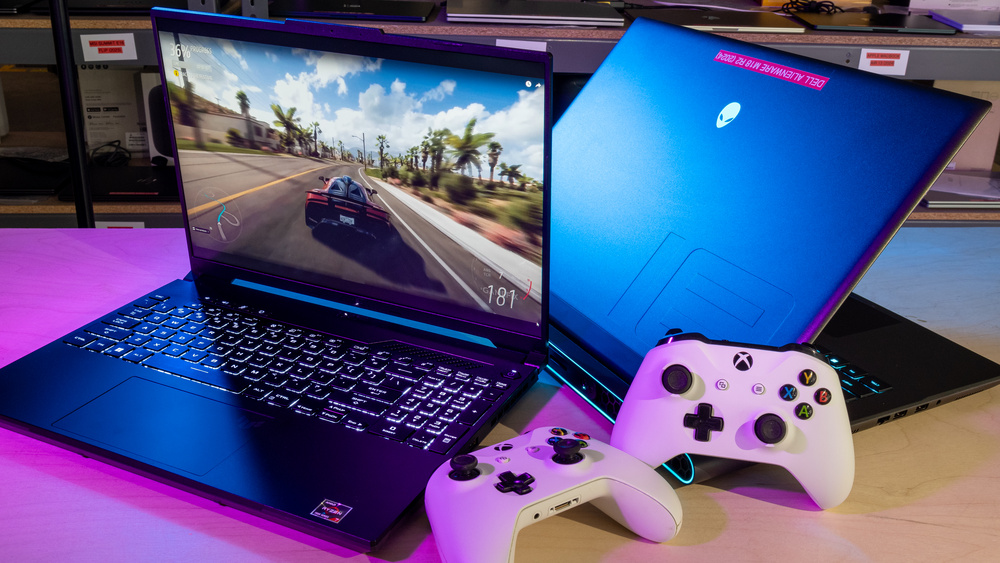
Competitive esports arena with players at stations
Knowledge-First
Editorial Platform
0
Published Articles
0
Monthly Readers
0
Expert Contributors
0
Game Titles Covered

What Do You Want to Improve?

Select a skill area and get focused, practical tips based on our editorial research.

Select an area above to see focused improvement tips.

Core Areas of Gaming Knowledge

We explore the skills and concepts that separate thoughtful players from reactive ones.

Understanding Competitive Mindset

Developing the mental framework for consistent performance. This covers how to approach losses constructively, manage frustration, and build resilience over long session chains.

Improving Reaction and Awareness

Practical approaches to improving how quickly and accurately you process in-game information. Includes visualisation habits, minimap discipline, and audio cue awareness.

Communication in Team Games

The structure and timing of callouts, how to build cooperative habits in solo-queue environments, and the difference between information sharing and emotional commentary.

Learning Game Mechanics Efficiently

Frameworks for breaking down complex mechanics into learnable components. How to identify which systems matter most for your specific role or playstyle.

Hover or Tap to Reveal Insights

Each card introduces a concept on the front — flip it to read more about why it matters.

Spatial Awareness

Where you are in relation to teammates, enemies, and objectives.

Tap to explore →
Strong spatial awareness means knowing not just your current position, but projecting where threats will emerge next. This reduces reaction time to flanks and rotations.
Timing Windows

Recognising optimal moments to act, rotate, or disengage.

Tap to explore →
Timing is often more important than raw speed. Acting at the right moment — when enemy cooldowns are exhausted or positioning is overextended — compounds the value of every decision.
Risk Management

Evaluating when to be aggressive versus conservative.

Tap to explore →
Consistent players are not necessarily cautious — they are calibrated. They identify which risks offer a meaningful upside and which are likely to compound existing disadvantages.
Resource Trading

Understanding health, cooldowns, and positioning as resources.

Tap to explore →
Every exchange in a game involves trading resources. A player who spends health to deal damage, uses an ability to secure a kill, or sacrifices positioning to buy time is engaging in resource trades — ideally in their favour.

Gaming Skills Are Learnable

Research into cognitive performance consistently shows that targeted, deliberate practice improves specific skills. Gaming is no different — the key is identifying which skills to focus on and practising them with intention rather than repetition alone.

Game Awareness78%
Reaction Consistency65%
Strategic Decision-Making82%
Communication Quality71%

These figures represent relative skill-development potential from targeted deliberate practice, based on community and research literature.

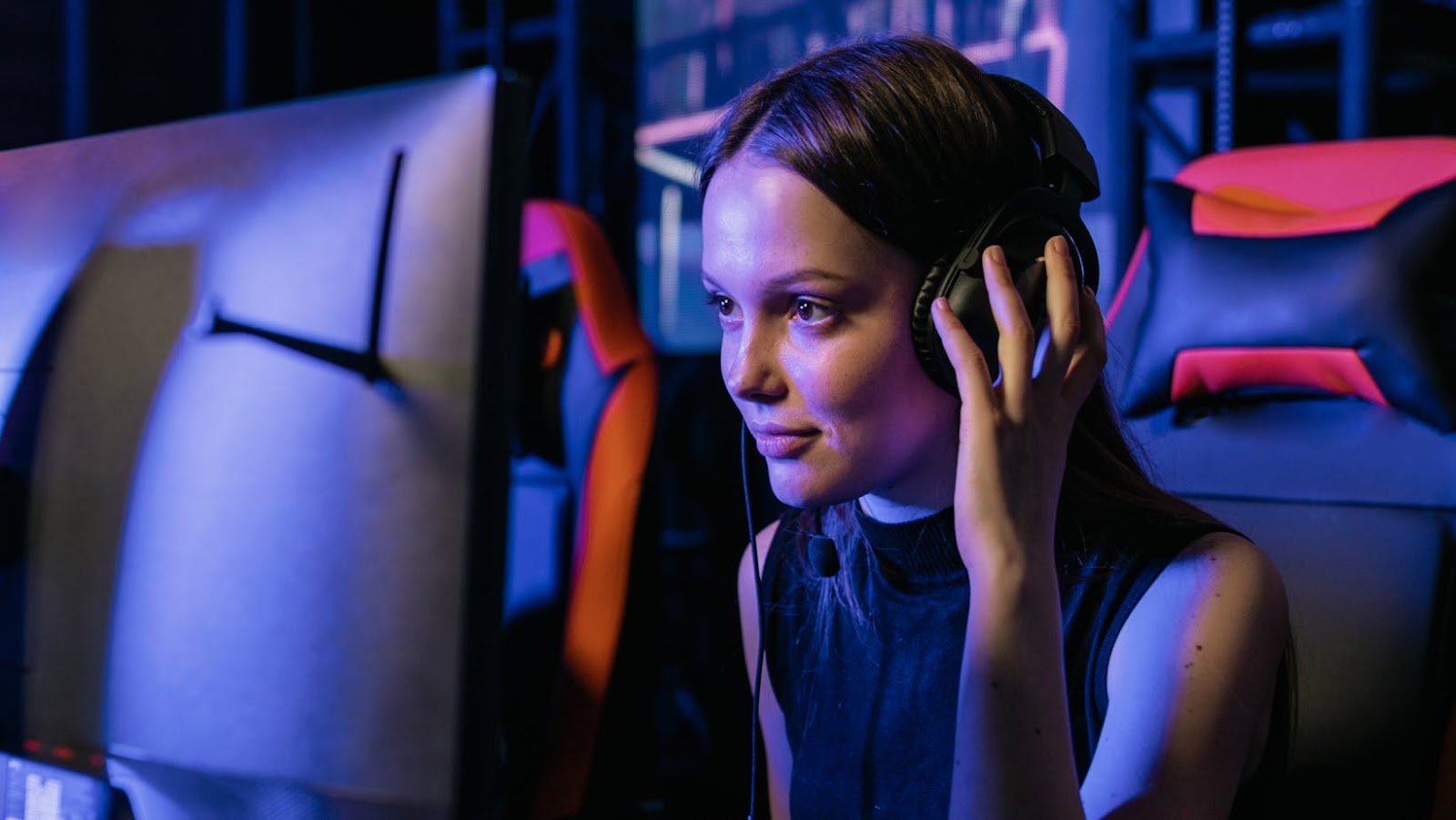
Player focused at a gaming setup with keyboard and monitors

Featured Articles

Long-form explorations of the concepts that shape how skilled players think and perform.

Close-up of gaming keyboard with RGB lighting

Improving Reaction Time in Competitive Games

A practical examination of how reaction time works, what affects it, and how deliberate practice can improve your consistency over time.

Team of gamers collaborating at esports event

The Role of Communication in Multiplayer Teams

How structured communication separates cohesive teams from a collection of individuals — and what habits make the biggest difference in practice.

Strategic planning and game mechanics visualisation

Understanding Game Mechanics and Strategic Thinking

A guide to breaking down game systems, identifying the mechanics that matter most, and building a strategic framework for decision-making.

Browse All Articles

Test Your Gaming Knowledge

Three interactive assessments to give you a baseline understanding of your current gaming awareness and strategy knowledge.

Reaction Speed Test
5 rounds · Click when green

This test measures how quickly you can respond to a visual stimulus. Complete 5 rounds for an average score. Click Start to begin.

Click Start to begin the reaction test

Average human reaction time to visual stimuli is approximately 250–300ms. Elite gamers often sit around 180–220ms through deliberate practice.

What Readers Are Saying

Feedback from players who found value in thinking more carefully about how they approach games.

"The article on game awareness genuinely changed how I approach the minimap. I started checking it every few seconds during rotations and it made a noticeable difference in how I position myself."

Tyler M.
Casual FPS Player · Ontario

"I appreciated that the articles here don't make unrealistic promises. The communication piece helped my duo partner and me actually structure our callouts. It felt surprisingly effective."

Priya S.
MOBA Enthusiast · British Columbia

"The mechanics article helped me understand why I kept making the same mistakes. Breaking down what I was actually trying to improve — instead of just playing more — was a useful reframe."

Connor J.
Strategy Game Player · Alberta

"What I found valuable was the honest tone. A lot of gaming content promises quick fixes. This site explains concepts clearly and lets you decide how to apply them to your own situation."

Rachel K.
Semi-competitive Shooter · Quebec

"The strategy quiz made me realise I understood some concepts better in theory than in practice. It was a helpful self-check, and the explanations that came with each answer were genuinely informative."

David L.
Online Multiplayer Fan · Manitoba

"I shared the reaction time article with a friend who was frustrated with their performance. It shifted the focus from 'I'm just slow' to understanding what reaction time actually depends on."

Sasha W.
Casual Gamer · Nova Scotia

Meet the Editorial Team

Writers and researchers who bring genuine gaming experience and analytical thinking to every article.

Marcus Chen
Marcus Chen
Gaming Analyst

Marcus spent five years covering competitive FPS and battle-royale scenes before transitioning to analytical writing. His focus is reaction training, aim mechanics, and input optimisation.

Anika Patel
Anika Patel
Strategy Writer

Anika focuses on the strategic and psychological dimensions of multiplayer gaming. A former MOBA team captain, she brings practical team-play experience to her writing on communication and coordination.

James Osei
James Osei
Esports Researcher

James researches the intersection of cognitive science and competitive gaming. He draws on academic literature and professional esports data to ground articles in evidence-based insights.

Rachel Kim
Rachel Kim
Community Editor

Rachel manages the platform's editorial voice and community outreach. With a background in digital media and a deep interest in competitive gaming culture, she ensures every article is accessible and accurate.

Ready to Think Differently About Your Game?

Explore our full article library and start building a more intentional approach to gaming.

Browse Articles About Us